
Airbnb Tax UK 2026: How Hosts Can Legally Pay Less
Completely Legal Ways to Reduce Your Airbnb Tax Bill
Running a successful Airbnb business isn’t just about increasing occupancy and nightly rates; it’s about keeping more of what you earn.
Since the abolition of the Furnished Holiday Lettings (FHL) tax regime in April 2025, you might be scratching your head about ways to reduce your tax bill, or assume there are no longer any tax planning opportunities open to you.
We’re pleased to tell you that’s not true.
While some tax advantages have disappeared, a few legitimate ways remain to reduce your bill and structure your Airbnb income more efficiently to maximise your overall return.
To do that, you need to understand what you can claim, what’s changed, and when to seek professional advice. Let’s dive into it.

Airbnb tax overview
- Earn up to £7,500 tax-free if you let a furnished room in your main home through the Rent-a-Room Relief Scheme.
- Earn up to £1,000 tax-free if you have no other property income. If the income exceeds this, you can choose between claiming the allowance or deducting expenses.
- Individual landlords can receive a 20% basic-rate tax credit on qualifying finance costs rather than deducting mortgage interest from rental income.
- Register for Self Assessment on time by completing a Self Assessment tax return. Register by 5 October (following the end of the tax year in which the income first arose) and file your online tax return by 31 January. Pay the balancing payment by 31 January and, if applicable, make a payment on account by 31 July.
- Learn more.
First things first, do you have to pay tax on your Airbnb income?
Platforms like Airbnb, Booking.com, and Vrbo now report qualifying host income to HMRC under digital platform reporting rules. So, if you earn income from any short-term letting platforms, that income is taxable in the UK.
HMRC will treat your Airbnb income as property income, which means your profit is added to your other income and taxed according to your Income Tax Band. But not every host pays tax.
Depending on your circumstances, you can benefit from:
- Rent-a-Room Relief
- Property Income Allowance
- Allowable business expenses
- Joint ownership planning
- Other legitimate tax reliefs
Understanding tax changes
From April 2025, the UK’s Furnished Holiday Lettings (FHL) tax regime was abolished, stripping away several tax advantages that previously applied to holiday lets, including enhanced capital allowances, certain capital gains tax reliefs, and favourable treatment of finance costs.
Today, in 2026, short-term lets are generally taxed under the same property income rules as other residential properties, so hosts need to manage their finances more effectively to maximise returns.
Claim every allowable expense
You can avoid overpaying tax by claiming back everything you’re entitled to.
Typically, the following costs are deductible if they’re incurred wholly and exclusively for your rental business:
- Airbnb service fees
- Cleaning costs and linen & towelling
- Guest toiletries/amenities
- Professional photography
- Repairs carried out to the property (not improvements)
- Replacements of domestic items (like for like)
- Utilities like electricity, gas, water, broadband and insurance
- Daily running costs like cleaning products, window cleaning, council tax, garden maintenance, TV licence, etc.
- Accountant fees
- Property management fees
- Any advertising and marketing

Common Airbnb expenses you can claim back
Overview of what you can claim back:
| Expense | Can I Usually Claim It? | Notes |
|---|---|---|
| Airbnb fees | ✅ | Allowable business expense |
| Ovitzia management fees | ✅ | Generally deductible |
| Professional photography | ✅ | Marketing cost |
| New sofa | ⚠️ | Depends on circumstances and replacement rules |
| Welcome hampers | ✅ | Usually allowable if provided to guests |
| Netflix subscription | ⚠️ | Only where incurred wholly for the rental business |
| Coffee pods | ✅ | Guest consumables |
| Light bulbs | ✅ | Repair/maintenance |
| New extension | ❌ | Capital improvement |
| Hot tub installation | ❌ | Generally capital expenditure |
Want to understand what your Airbnb could earn after running costs and management?
Get a free Airbnb earnings estimate from Ovitzia.
Keep records
Keep records throughout the year to make claiming expenses easier and help you claim every legitimate expense. Keep copies of receipts, utility bills, cleaning invoices, maintenance invoices, furniture purchases, platform statements, mortgage statements, and insurance documents.

Consider joint ownership
If you’re currently married or in a civil partnership, sharing rental income between owners can affect your tax bill. For example, in some circumstances, structuring ownership efficiently can reduce the household’s overall tax liability.
For most couples, rental income is split between both owners, meaning each person declares their share on their own Self Assessment tax return. If one partner is a basic-rate taxpayer and the other pays higher- or additional-rate tax, how income is allocated may affect the household’s total tax liability.
Don’t assume joint ownership automatically means a 50:50 tax split. In some circumstances, you can structure ownership so a greater share of the rental income is taxed on the lower-earning spouse, provided you follow HMRC’s rules. This isn’t appropriate for everyone, and you should consider the legal and tax implications before making any changes.
The tax treatment depends on factors including your marital status, legal ownership, beneficial ownership and HMRC’s reporting requirements.

The Rent-a-Room Scheme
If you’re letting part of your main residence, rather than a second home or investment property, you might be eligible for the Rent-a-Room Scheme.
It’s also applicable in some situations where you temporarily let your entire main residence while you’re away, provided it remains your only or main place of residence.
Qualifying individuals can earn up to £7,500 per year tax-free (or £3,750 each if income is shared by joint owners) from letting furnished accommodation in their main home. If your gross receipts are below £7,500, the relief is automatic, and you will not need to file a return.
If your gross income exceeds £7,500, you can pay tax minus the £7,500 (not claiming other expenses) or calculate your profit normally (minus expenses) and pay tax on that.
To qualify:
- Property must be your main residence
- You must live there during letting periods
- The room must be furnished
- Does not apply to self-contained annexes or rooms with a separate entrance

The Property Income Allowance
If your total gross property income is £1,000 or less in a tax year, it falls under the allowance.
If your income exceeds £1,000, you can choose to deduct instead of claiming your allowable expenses.
However, for most hosts with cleaning, utility and management costs, claiming actual expenses is often more beneficial. Use it if your expenses are below £1,000.

Mortgage interest relief
Since 2020-2021, individual landlords cannot deduct mortgage interest from rental income.
Instead, qualifying finance costs (mortgage interest, loan interest, arrangement fees) usually attract a 20% basic-rate tax credit, regardless of whether you’re a basic, higher or additional-rate taxpayer.
For basic-rate taxpayers, this is the same as a full deduction.
However, for higher-rate (40%) and additional-rate (45%) taxpayers, this can significantly affect after-tax profits, and it might be worth reviewing your ownership structure or considering letting it through a limited company.
Council tax or business rates
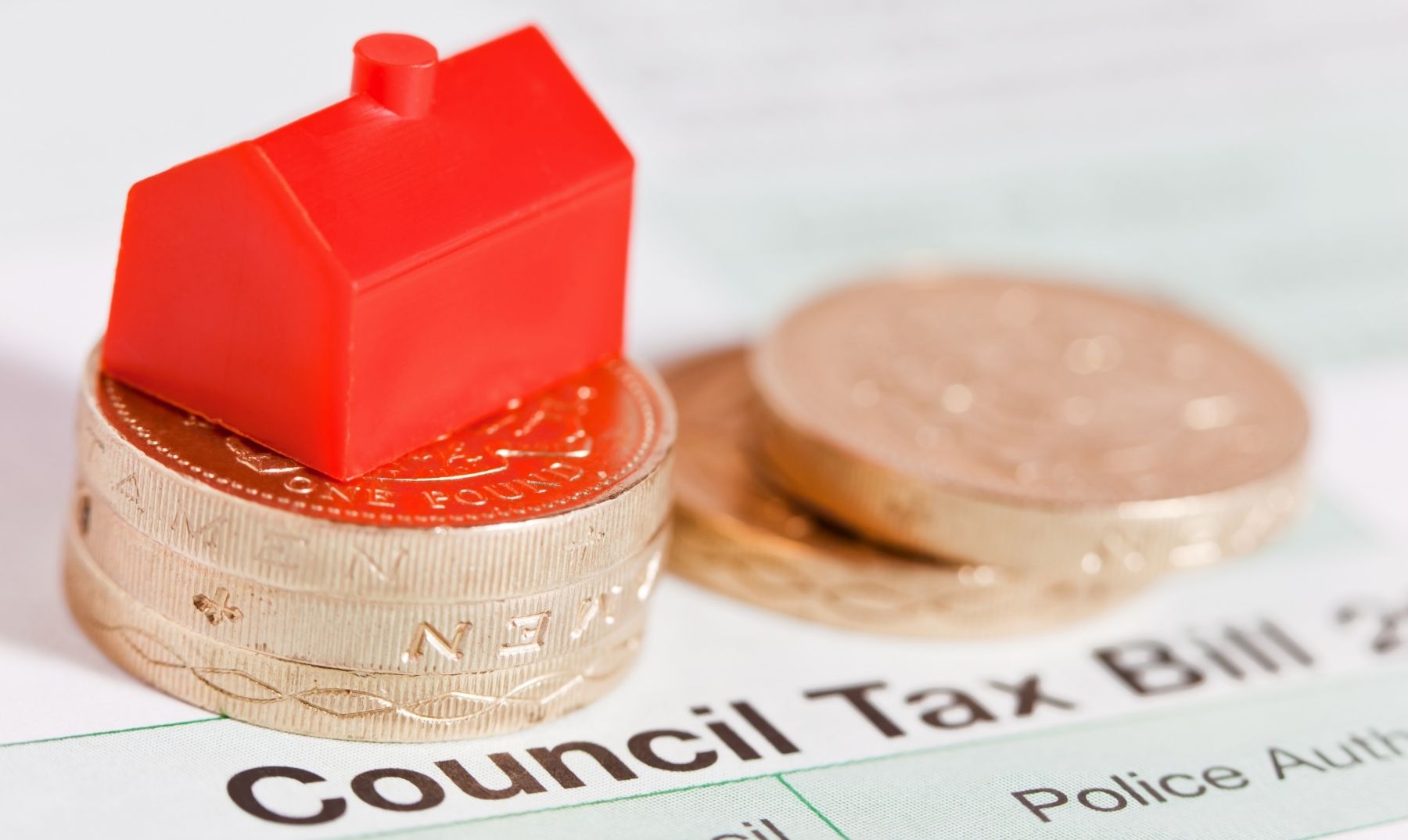
A tax-saving opportunity available to Airbnb hosts isn’t income tax at all; it’s whether your property pays Council Tax or Business Rates.
Your property in England will be assessed for Business Rate thresholds if it is:
- Available to let 140 days per year
- Actually let 70 days per year
Different thresholds apply elsewhere in the UK. Wales (252 days available, 182 days actually let) and Scotland (210 days available, 70 days actually let).
Properties that qualify for Business Rates might also qualify for Business Rate Relief:
- Up to £12,000: 100% relief
- £12,001-£15,000: Tapered relief
- Above £15,000: Standard Business Rates
If your property remains liable for Council Tax, some English councils can now charge a 100% premium on second homes, meaning your bill could be effectively double.

Professional management is deductible
Many hosts simply assume that Airbnb management fees reduce their profit.
But while they’re a business cost, they are an allowable expense against your rental income, meaning the net cost is lower than expected depending on your tax position.
At the same time, professional Airbnb property management with Ovitzia increases occupancy and annual revenue, helping to offset their fee through higher overall earnings.
Want help improving the performance of your Airbnb?
Compare Ovitzia’s Airbnb management packages or get a free earnings estimate.
Common Airbnb tax mistakes
| Mistake | Why it matters |
|---|---|
| Assuming Airbnb income isn't taxable | It usually is once relevant thresholds are exceeded. |
| Forgetting to claim management fees | Can increase your taxable profit unnecessarily. |
| Claiming improvements as repairs | May lead to an incorrect tax return. |
| Missing the 70-day letting threshold | Could mean remaining on Council Tax instead of potentially qualifying for Business Rates. |
| Choosing the wrong allowance | Comparing the Property Income Allowance with actual expenses can make a material difference. |
| Keeping poor records | Makes claiming deductions and responding to HMRC much harder. |