
Airbnb vs Long-Term Letting in London: Which Makes More Money?

Thousands of London Landlords Make the Switch From Long-Letting to Short-Letting
Airbnb vs Long-Term Letting in London: Which Is More Profitable? London has always been one of the UK’s (and the world’s) strongest Airbnb investment markets, and for the right property, in the right London postcodes, an Airbnb can generate two to three times the annual revenue of a traditional buy-to-let.
Alongside the abolition of Section 21 and the greater flexibility of short-letting, the incredibly higher annual yields are one of the primary reasons thousands of landlords have moved away from conventional residential tenancies.

Being a successful landlord today is harder than it was 10 years ago
Higher mortgage rates, increased regulation, changing tax rules, and the Renters’ Rights Act 2025 threaten landlords’ income and flexibility across England, not just London, prompting a major reassessment of the traditional buy-to-let model.
At the same time, London’s short-term rental market continues to thrive and attract millions of travellers every year.
For the traditional landlords left today, the question isn’t whether Airbnb is more flexible, popular or worth it (the proof is in the pudding), but whether it can really generate a better return than their traditional tenancies.
And in many cases, the answer is yes.
What a London Airbnb can realistically generate
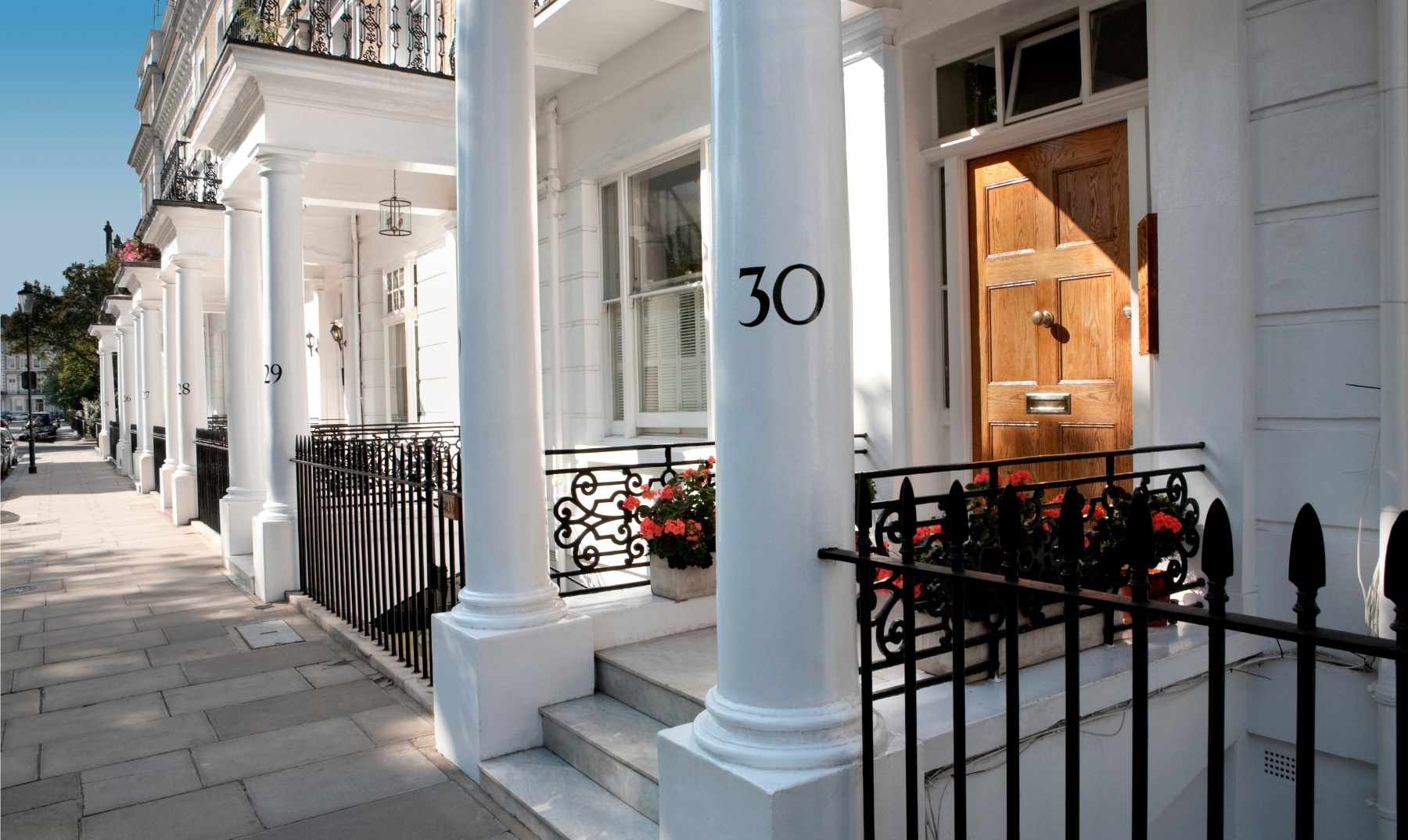
A professionally managed Airbnb in areas such as Mayfair, Covent Garden, Paddington or King’s Cross can generate £80,000-£120,000+ per year, whereas the same property may achieve £30,000-£45,000 on a standard Assured Shorthold Tenancy.
Short-lets can generate up to £75,000 more per year through dynamic pricing, premium nightly rates, and the ability to capitalise on seasonal demand and events.
How much more can Airbnb generate?
| London Area | Airbnb Revenue | Typical Long-Term Rent* | Additional Revenue |
|---|---|---|---|
| Covent Garden | £94,300 | £42,000 | +£52,300 |
| Mayfair | £85,000 | £45,000 | +£40,000 |
| King's Cross | £70,042 | £36,000 | +£34,042 |
| Paddington | £49,500 | £32,000 | +£17,500 |
| Islington | £45,180 | £30,000 | +£15,180 |
*Illustrative comparison using comparable furnished residential properties. Actual rental income will vary depending on property size, specification and location.
Is it just about postcode and location?
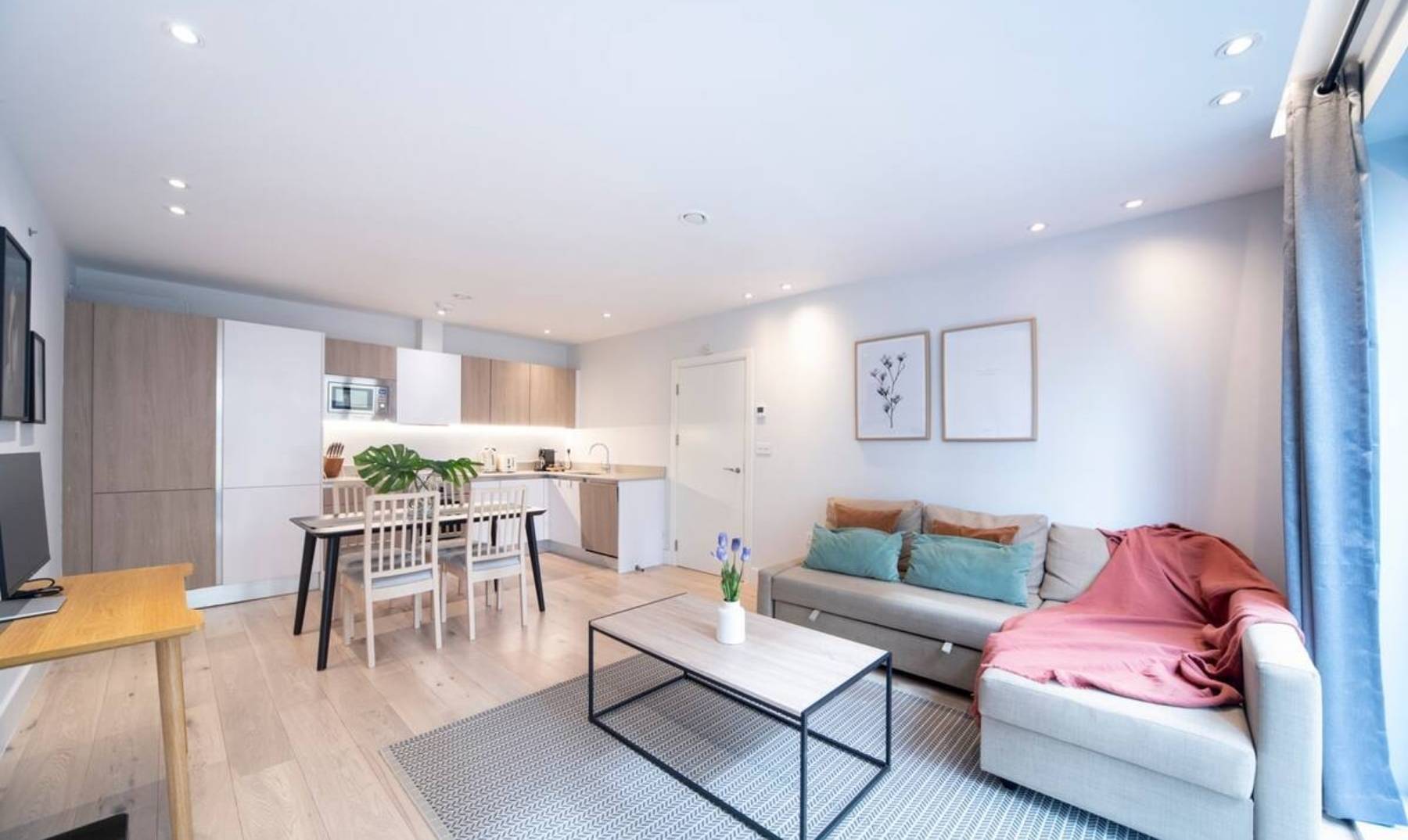
Your true earning potential depends on your property’s size and location.
But not all landlords own prime Central London real estate. In this article, Ovitzia shows you that even a modest-performing, 90-day restricted Airbnb in 2026 can compete with, or even outperform, a long-let.

You don’t need to own a property in Central London to earn big
One of the biggest misconceptions is that Airbnb only works in Mayfair, Covent Garden or Kensington. The reality is very different.
Due to our average 90% London occupancy rate, many landlords outside London’s highest-value postcodes still generate excellent returns because demand isn’t always driven solely by tourism or events – and we’ll show you how.
| Area | Airbnb Revenue | Long-Term Rent | Potential Uplift |
|---|---|---|---|
| Islington | £45,180 | £30,000 | +£15,180 |
| Camden | £49,200 | £33,000 | +£16,200 |
| Hammersmith | £39,000 | £33,000 | +£6,000 |
| Chiswick | £57,000 | £34,800 | +£22,200 |
| Pimlico | £45,000 | £39,600 | +£5,400 |
| Shoreditch | £45,000 | £30,000 | +£15,000 |
| Wembley | £42,000 | £26,400 | +£15,600 |
Prices based on a 2-bed property. Airbnb revenues based on average occupancy rates per area, showing minimum earning potential without professional management.

The trick isn’t higher pricing; it’s higher occupancy
Higher occupancy compounds your annual income. Take, for example:
| Occupancy | Nightly Rate | Annual Revenue |
|---|---|---|
| 70% | £180 | £45,990 |
| 80% | £180 | £52,560 |
| 90% (Ovitzia average) | £180 | £59,130 |
Simply increasing occupancy from 70% to 90% generates more than £13,000 in additional annual revenue, without increasing the nightly rate. Combine that with professional revenue management that also improves ADR, and the earning potential grows even further.

What about the 90-day rule?
One important factor is London’s 90-night rule.
If your property falls under London’s short-term letting restrictions, you may be able to let it for up to 90 nights per calendar year without obtaining planning permission.
That said, those 90 nights can still generate surprisingly strong returns.
Take, for example:
- Average nightly rate: £180
- Occupancy: 90 nights (maximum permitted)
- Gross booking revenue: £16,200
Increase that to an ADR of £220, which is common across many London boroughs, and the same 90 nights generates £19,800.
A one-bedroom flat renting for £1,700 per month generates approximately £20,400 per year, meaning just three months of bookings can generate a similar proportion of gross income while you retain full control of the property.

Start your Airbnb journey with the right management
Ovitzia’s professionally managed London portfolio averages around 90% occupancy, considerably higher than the wider London market average of approximately 72-78%.
That means more nights booked, fewer gaps in the calendar and stronger annual revenue than traditional long-let returns.
With Airbnb management packages in the city starting from 5%, we only earn when you do and can save you a considerable amount of fees compared to traditional long-let property management and real estate agencies.